






















new delhi, Aug 20
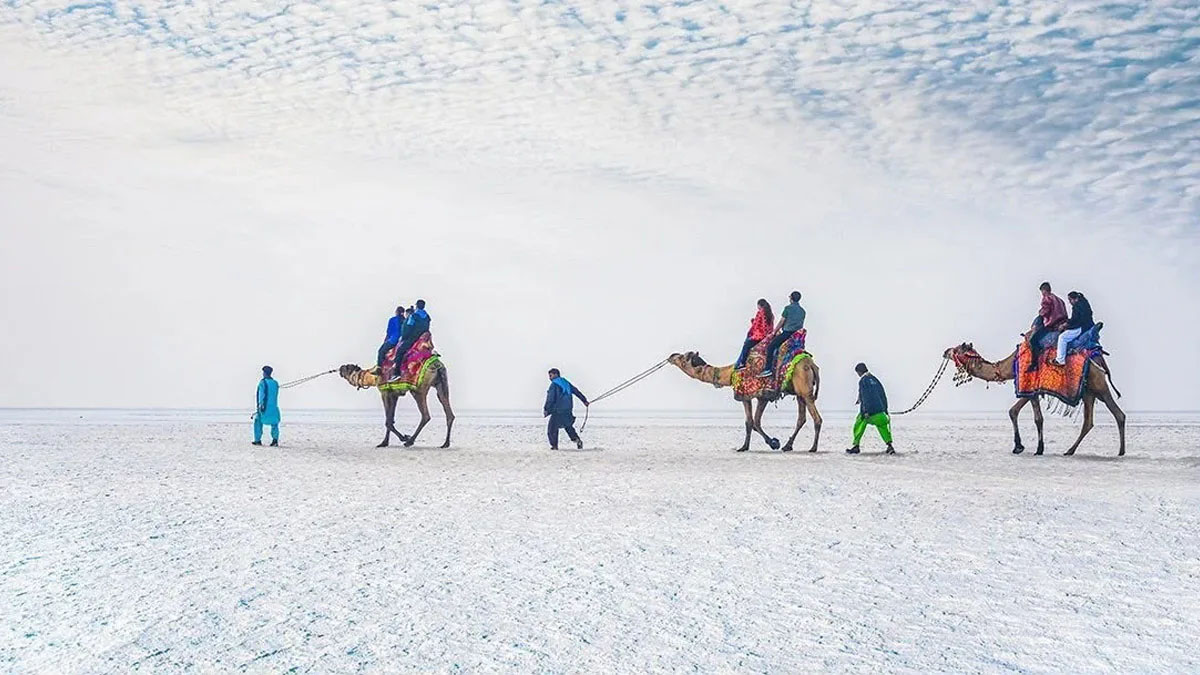
Kutch has long been defined by its iconic landscapes, the White Rann, Dholavira, Kalo Dungar and the cultural spectacle of Rann Utsav. But a new chapter is emerging beyond this familiar tourism circuit. Spread across nearly 2,500 square kilometres, the Banni Grasslands are undergoing an ecological revival that is transforming the region into a destination for wildlife, conservation and nature-based tourism. Once classified as “wasteland” during the colonial era, Banni is now re-emerging as a vital grassland ecosystem, home to native wildlife and Maldhari communities who have lived alongside the landscape for generations. A significant step in this revival came on Independence Day, when the Gujarat Forest Department, in collaboration with the Vantara and Greens Zoological Rescue and Rehabilitation Centre (GZRRC), released 20 blackbucks, five males and 15 females, into Banni following veterinary screening, quarantine and regulatory clearances.
While an initial release, the return of a native species marks a larger effort to rebuild the grassland’s ecological balance and strengthen its wildlife potential. With wild asses, chinkaras, desert foxes and more than 300 bird species already contributing to its biodiversity, Banni has the potential to become an important wildlife destination in its own right. This could also help address one of Kutch tourism’s biggest challenges: its heavy dependence on the October-to-March season. While Rann Utsav has grown from 1.8 lakh visitors in 2021–22 to more than 10 lakh in recent years, wildlife safaris, birdwatching and nature experiences can offer reasons to visit across a much broader part of the year. With Dhordo recognised as a UNESCO Best Tourism Village and Dho-lavira anchoring Kutch’s heritage appeal, Banni adds another dimension to the destination, one where conservation and tourism can grow together. The result could be a more diverse, year-round tourism ecosystem that brings together Kutch’s history, culture and wilderness, positioning the region for a stronger place on the global nature-tourism map.

