


















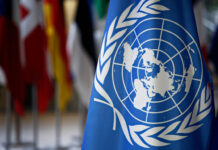



The global peacekeeping system, once regarded as a symbol of international cooperation and collective responsibility, is gradually losing its strength and credibility. What was built after the devastation of the Second World War to maintain peace and stability in conflict-ridden regions is now facing one of the most difficult periods in its history. The decline is not happening through one dramatic event, but through a slow process of shrinking resources, declining political commitment and increasing global divisions.For decades, peacekeeping missions represented the hope that nations could work together to prevent wars, protect civilians and support fragile societies recovering from violence. The United Nations played a central role in this effort by deploying peacekeepers to troubled regions across Africa, Asia and the Middle East. These missions were often difficult and dangerous, but they reflected a larger belief that peace and security were shared global responsibilities.Today, however, that belief appears weaker than ever. The number of personnel serving in peacekeeping missions has declined sharply. Financial support for operations is shrinking, while political disagreements among powerful nations are making it increasingly difficult to sustain long-term missions. Many countries that once strongly supported peacekeeping are now more focused on domestic priorities, economic concerns and strategic rivalries.One of the major reasons behind this decline is the growing division within the international system itself. The United Nations Security Council, which was created to preserve global peace, is often paralysed by disagreements among major powers. Conflicts between influential countries have weakened decision-making and delayed action on important international crises. As geopolitical tensions rise, achieving consensus on peacekeeping operations has become more difficult.The consequences of this weakening system are most visible in conflict-prone regions, particularly in Sub-Saharan Africa, where many peacekeeping missions are based. Several operations have been reduced or withdrawn even though instability and violence continue to threaten civilian populations. In many areas, armed groups remain active, political institutions remain weak and humanitarian crises continue to grow. Yet international willingness to maintain costly peace operations is fading.In place of traditional peacekeeping, a more fragmented system of security arrangements is emerging. Bilateral military agreements, regional interventions and temporary coalitions are increasingly replacing multinational peacekeeping missions. While some of these interventions may provide short-term stability, they are often driven by national interests rather than broader humanitarian principles. This shift risks weakening accountability and reducing the neutrality that peacekeeping missions were intended to uphold.Another challenge is that modern conflicts have become far more complex than those faced during the early decades of peacekeeping. Many armed groups today operate without regard for international norms or humanitarian laws. Peacekeepers are often deployed into situations where there is no genuine peace to maintain. At the same time, missions are expected to carry out a wide range of responsibilities, including protecting civilians, monitoring human rights, supporting elections and assisting governments in counterterrorism efforts.However, these broad mandates are rarely matched with sufficient resources or political backing. Peacekeeping missions are frequently underfunded, understaffed and poorly equipped to respond to increasingly dangerous situations.
As a result, many missions struggle to achieve their objectives, leading to frustration among local populations and contributing countries alike.The decline of peacekeeping also reflects a deeper moral and political crisis within the international community. The idea that nations share a collective responsibility to protect vulnerable populations is slowly losing importance in global politics. International cooperation is increasingly shaped by competition, economic calculations and strategic advantage rather than shared principles of peace and human security.Former United Nations Secretary-General Kofi Annan once described himself as a “stubborn optimist” and strongly defended the importance of international cooperation. He believed that peace, development and human rights were inseparable and that global challenges required collective solutions. His vision represented an era when many still believed that international institutions could help build a more stable and just world.Today, that optimism appears under strain. Yet despite its shortcomings, peacekeeping remains one of the few international tools available to prevent violence, support fragile societies and reduce human suffering. The weakening of this system should concern not only governments but humanity as a whole. A world that abandons collective responsibility risks becoming more divided, unstable and dangerous.If the international community wishes to preserve peace and prevent future conflicts, it must renew its commitment to cooperation, strengthen international institutions and restore faith in the idea that global security cannot survive without shared responsibility and collective action.