

























new delhi, May 20
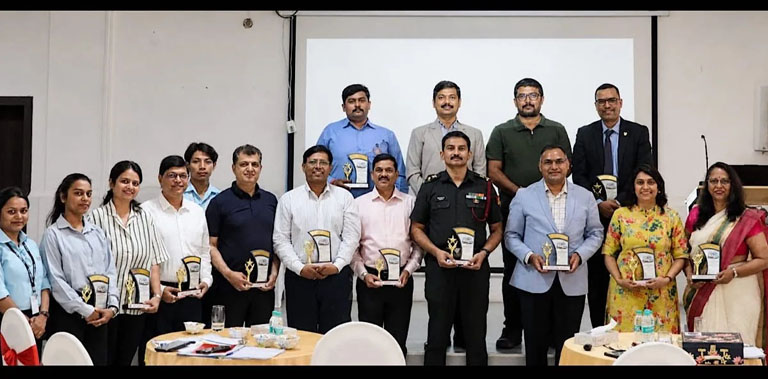
India’s first “Assessor Training Program” based on Ambulance Service Accreditation Standards was successfully organised in Pune through a joint initiative of the Health Sector Skill Council and BVG India Limited, marking a significant step towards strengthening emergency healthcare services and improving the quality of ambulance operations across the country.
The three-day training programme, conducted from May 13 to 15, brought together experts, trainers, healthcare professionals, and representatives associated with emergency medical services from different parts of India. The initiative aimed at developing a structured and standardised assessment framework for ambulance services, with a strong focus on patient safety, quality assurance, and efficient emergency response systems.
Organisers said the programme was designed to create a dedicated pool of trained and certified assessors who would play a key role in evaluating ambulance services and ensuring that emergency healthcare providers maintain high operational and service standards. The initiative is being viewed as an important milestone in India’s efforts to modernise and standardise pre-hospital healthcare and ambulance response systems.
According to officials associated with the programme, the healthcare sector in India has witnessed rapid growth in recent years, especially in emergency medical services. However, experts have often pointed out the need for greater standardisation, accountability, and professional evaluation mechanisms to ensure consistent quality in ambulance services across urban and rural regions. The training programme sought to address this requirement by equipping participants with specialised knowledge and practical skills related to ambulance accreditation standards, assessment procedures, quality monitoring, and emergency healthcare management.
During the inaugural session, Dr. Prasad Rajhans attended as the chief guest and underlined the growing importance of quality and patient-centric healthcare systems in the country. He stressed that trained manpower and effective evaluation systems are essential for strengthening emergency healthcare delivery and improving patient outcomes during critical situations. Dr. Rajhans said ambulance services often represent the first point of medical contact for patients during emergencies and therefore require the highest standards of professionalism, preparedness, and quality assurance. He added that initiatives such as structured assessor training programmes would contribute significantly towards building a more reliable and accountable emergency healthcare ecosystem in India.
He also expressed confidence that the newly trained assessors would help elevate the standards of ambulance services nationwide by ensuring systematic inspections, continuous monitoring, and adherence to accreditation guidelines. On the occasion, Dr. Dnyaneshwar Shelke also guided participants and highlighted the importance of adopting a practical, sensitive, and situation-based evaluation approach in emergency medical services. He pointed out that emergency healthcare operations often involve high-pressure situations where rapid decision-making and efficient coordination are crucial. According to Dr. Shelke, trained assessors are essential for maintaining quality assurance systems, encouraging continuous improvement, and ensuring effective response management during emergencies. He emphasised that assessment systems should not only focus on infrastructure and technical compliance but also evaluate patient care, communication systems, response time, and operational efficiency.
Throughout the three-day programme, participants received extensive guidance on multiple aspects related to ambulance service accreditation and pre-hospital healthcare systems. Sessions focused on standardisation of ambulance operations, emergency medical response protocols, healthcare skill development, quality improvement mechanisms, assessment methodologies, and capacity building initiatives.
Experts conducting the sessions also discussed the importance of aligning ambulance services with internationally accepted standards while adapting them to Indian healthcare conditions and operational challenges. Participants were trained in assessment techniques that would help identify service gaps and recommend improvements to ensure better patient care and emergency response efficiency.

