























new delhi, May 8
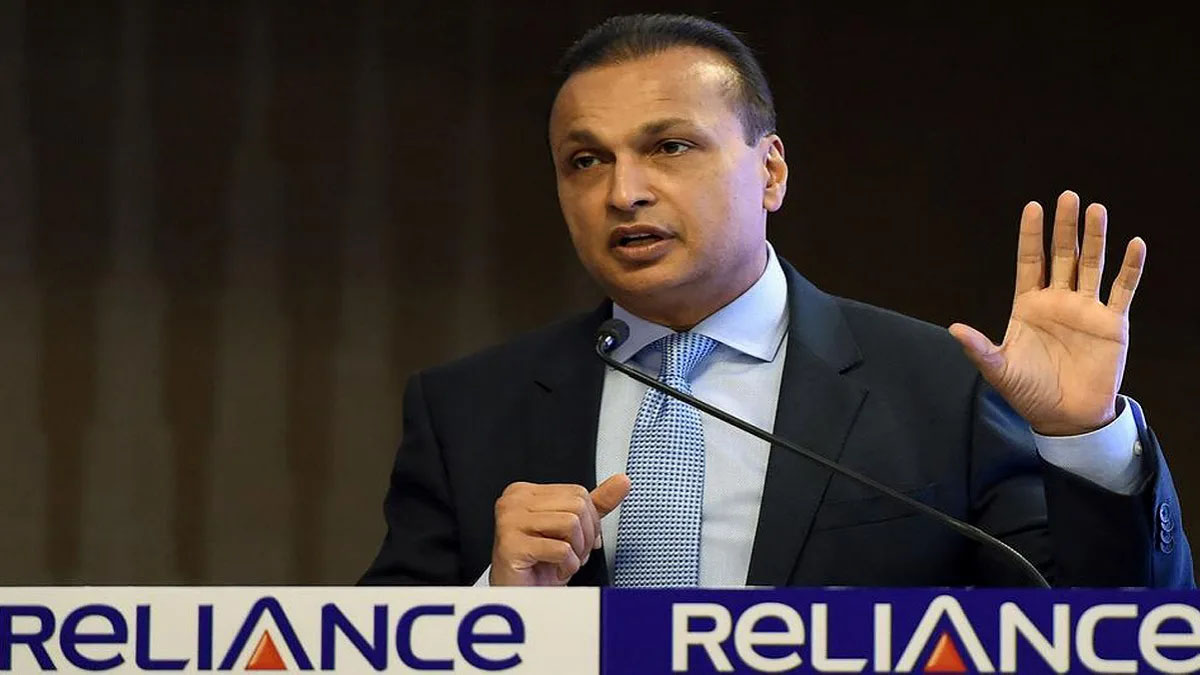
The Supreme Court of India on Friday declined to direct the arrest of industrialist Anil Ambani in a major bank fraud case linked to Reliance Communications, emphasising that arrests cannot be ordered merely to “sensationalise” proceedings and must remain within the discretion of investigating agencies.
A Bench comprising Chief Justice of India Surya Kant and Justice Joymalya Bagchi observed that courts should be cautious in directing arrests unless such action is specifically sought by investigative agencies like the Central Bureau of Investigation or the Enforcement Directorate. During the hearing, Justice Bagchi remarked that “arrest cannot be ordered to sensationalise the matter,” adding that the need for custodial interrogation must be assessed by investigators on the basis of necessity and evidence.
The matter came up before the court on a petition filed by former bureaucrat EAS Sarma, who sought a court-monitored probe into alleged financial irregularities involving RCOM and its associated entities. The petition referred to loans amounting to nearly Rs 31,580 crore sanctioned between 2013 and 2017 by a consortium of banks led by the State Bank of India. It also highlighted findings from a forensic audit which allegedly pointed towards large-scale diversion and misuse of funds.
According to the plea, the audit revealed multiple questionable transactions, including repayment of unrelated loans, transfers to connected companies, investments in financial instruments that were rapidly liquidated and complicated routing of funds allegedly designed to conceal the evergreening of debt. The petitioner argued that these transactions reflected systematic financial irregularities and warranted close judicial supervision.
Appearing for the petitioner, senior advocate Prashant Bhushan contended that investigative agencies had already filed chargesheets naming Anil Ambani and his son Anmol Ambani. He submitted that the investigation had allegedly uncovered diversion and siphoning of funds, including purchases of luxury assets. Bhushan further argued that despite being identified as the alleged “kingpin” in what he described as a Rs 17,000 crore scam, no coercive action had been taken against Ambani. He told the court that while other accused persons had faced arrests, Ambani had not been subjected to similar measures. Representing Anil Ambani, senior advocate Kapil Sibal challenged the maintainability of the petitioner’s arguments and questioned how the petitioner had obtained access to the chargesheet when a trial court had not yet taken cognisance of the matter. Sibal alleged that the petition appeared primarily aimed at securing Ambani’s arrest rather than assisting the investigative process. “There is more than what meets the eye. Why all this?” he asked during the proceedings. The Supreme Court, however, refrained from making observations on the merits of the allegations at this stage. The Bench reiterated that decisions regarding arrest must remain the prerogative of investigating agencies and cannot be influenced by public pressure or demands made during court proceedings. Maintaining that courts should avoid interfering prematurely in investigative decisions, the Bench declined to pass any immediate directions in the matter. The case was eventually adjourned till July for further hearing.

