
















DH NEWS SERVICE
jammu, Jul 6
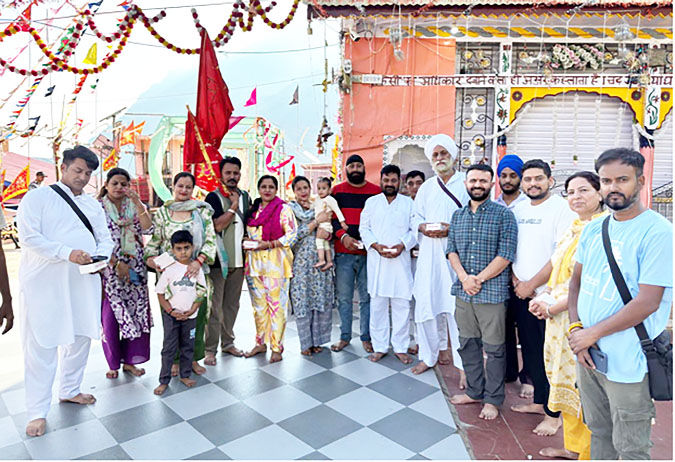
As part of a meaningful and culturally rooted initiative that blends devotion, tradition, and sustainability, the LJK Multiple Purpose Cooperative SocietyLimited (LJK MPCS) has started the production and distribution of barley-based laddoos for the Machail Mata Yatra in the Paddar region of district Kishtwar.
This effort revives “Phimar,” a traditional sweet made from Jau (barley) – a grain with deep spiritual and cultural significance. Traditionally offered to local deities in the hills of Paddar, Phimar has long been part of the region’s devotional practices and culinary heritage.
LJK MPCS’s initiative seeks to bring Phimar back into public consciousness – not only as prasad, but as a symbol of regional identity, sustainable nutrition, and community-based development.
Aligned with the Government of India’s campaign to promote millets, the laddoos are prepared using organically cultivated barley sourced from agricultural lands in the Paddar region. The crop is cultivated using natural methods in an unpolluted, high-altitude setting, and processed by members of the local community into a wholesome and culturally meaningful offering.
The initiative also contributes to local livelihoods. From farmers engaged in barley cultivation to residents involved in preparing and packaging the laddoos, including a significant number of women, the effort generates employment and encourages wider community involvement.
LJK Multiple Purpose Cooperative SocietyLimited is a community-driven organization working across Jammu and Kashmir to promote sustainable rural livelihoods, heritage-based enterprise, and grassroots entrepreneurship. Its mission is to strengthen local economies by building on indigenous knowledge systems, traditional skills, and natural resources. Through a network of producers, artisans, and farmers, LJK MPCS facilitates value addition, market access, and institutional support for community-led initiatives. The cooperative places a strong emphasis on inclusivity, working especially with women, youth, and marginalized communities to ensure that development is both participatory and locally anchored.
By connecting traditional knowledge with contemporary needs, LJK MPCSis advancing a development model that is culturally rooted, socially inclusive, and environmentally responsible

