
























new delhi, May 29
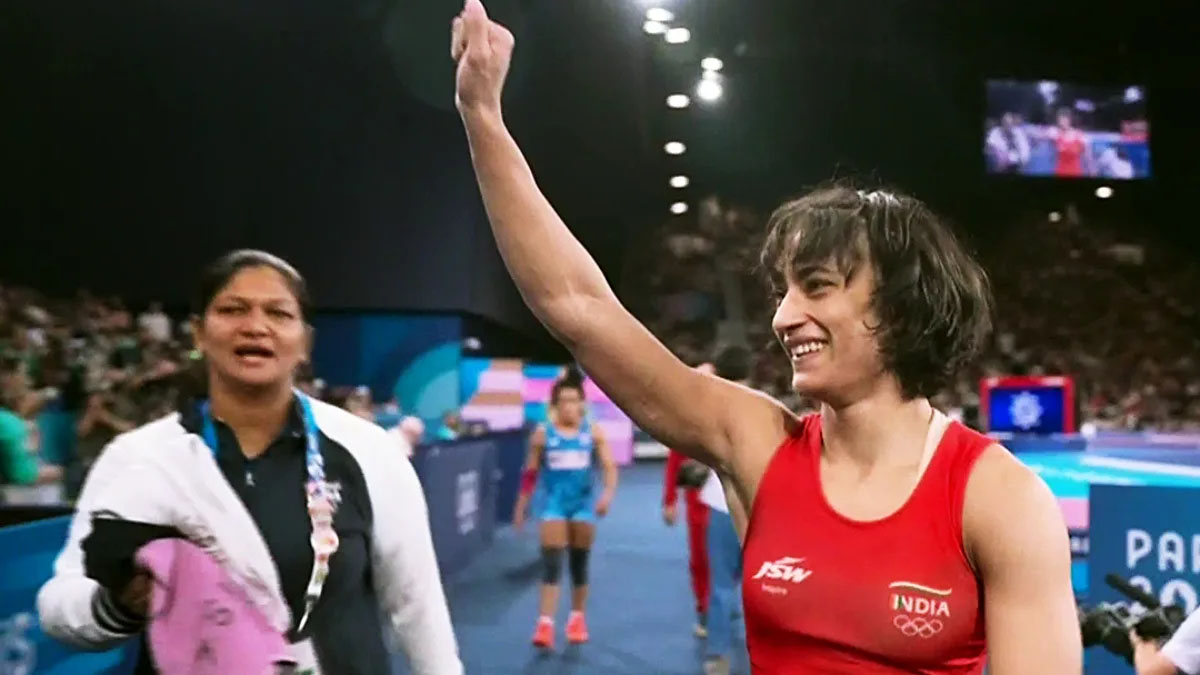
The Supreme Court on Friday declined to stay a Delhi High Court order allowing wrestler Vinesh Phogat to participate in the Asian Games 2026 selection trials, while agreeing to hear a challenge filed by the Wrestling Federation of India.
A bench of justices P.S. Narasimha and Alok Aradhe issued notice on the WFI’s special leave petition but permitted Phogat to compete in the trials scheduled for May 30–31. “The respondent shall be permitted to participate in the selection trials,” the court said, keeping the Delhi High Court’s interim relief in force for now. The Supreme Court on Friday allowed wrestler Vinesh Phogat to participate in the Asian Games 2026 selection trials while hearing the Wrestling Federation of India’s plea challenging the Delhi High Court order. The Court, however, expressed concern over frequent… pic.twitter.com/9R122BWRsb
During the hearing, the bench underlined that while sporting regulations and eligibility norms must be respected, it would not be appropriate at this stage to prevent an athlete from competing without fully examining the circumstances of the case. The court also stressed that judicial intervention in sporting selections should remain limited as it can affect schedules and preparations, but added that denying a fair opportunity to an athlete could equally result in injustice.
At the same time, the bench flagged concerns over Phogat’s compliance with anti-doping whereabouts requirements and her obligation to keep authorities informed during the relevant period. It observed that adherence to anti-doping protocols remains a key responsibility for athletes. The Supreme Court also questioned certain observations made by the Delhi High Court while granting interim relief, particularly its prima facie view that the WFI’s eligibility framework was “exclusionary” in nature. The apex court noted that the federation’s selection policy, framed in February 2026, applied uniformly to all athletes and required closer scrutiny.
Arguing for the WFI, counsel submitted that Phogat had allegedly failed to comply with anti-doping obligations, including whereabouts requirements, and therefore did not meet the eligibility criteria prescribed under the federation’s policy. The federation further argued that preparations for the Asian Games were already underway and warned that relaxing established norms could create an undesirable precedent.

