

























new delhi, Apr 29
Union Road Transport and Highways Minister Nitin Gadkari on Tuesday called for an independent agency on important decisions and disputes between contractors and authorities.
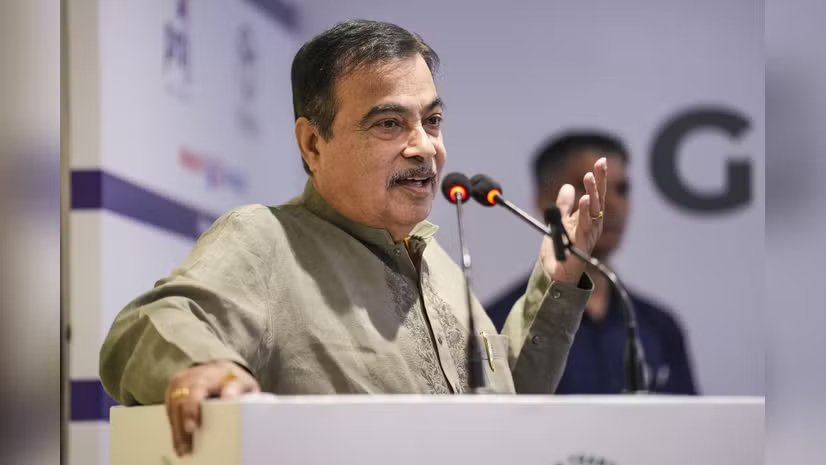
Addressing a gathering of contractors and infrastructure professionals, he said that in a dispute between two parties, one party cannot be the judge. Road projects feature among the highest number of disputes in central government projects. The minister also called out officials within the government who stall files on important projects. While, prior to his address, industry representatives at the Assocham Infrastructure Conference and Achievers Award told him about various cost overruns, he said that procedural delays are among the less-talked-about factors when looking at cost overruns.
“Legal matters, if taken care of in a timely manner, can reduce cost overruns. For example, land acquisition shortcomings often end up leading to years of delay in achieving financial closure,” Gadkari said. The minister also criticised the Border Roads Organisation (BRO) over cost escalation in projects, adding that the leadership, which is an officer of the armed forces, is often uninterested in executing works efficiently because it is seen as a punishment posting.
Gadkari also said that developers must not wait for the Indian Roads Congress to standardise new technologies or processes that have been accepted globally, calling for the roads standards body to operate like a formal agency. “If it is accepted internationally, we will approve it for our projects too,” Gadkari said. The minister also talked about the government’s recent spree of blacklisting errant contractors. “Many a times, contractors deliver poor-quality work, yet no action is taken against them.
The defect liability period remains only on paper. Such contractors must be strictly penalised and, if necessary, blacklisted. We must focus on the quality of the work along with the quantity of the work. Today, due to social media, even the smallest flaws come to light quickly, making it even more important to maintain quality. The system must ensure transparency, time-bound decision-making and accountability,” he said.

