




















DH NEWS SERVICE
new delhi, Mar 29
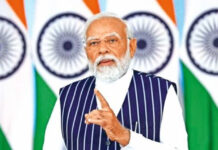
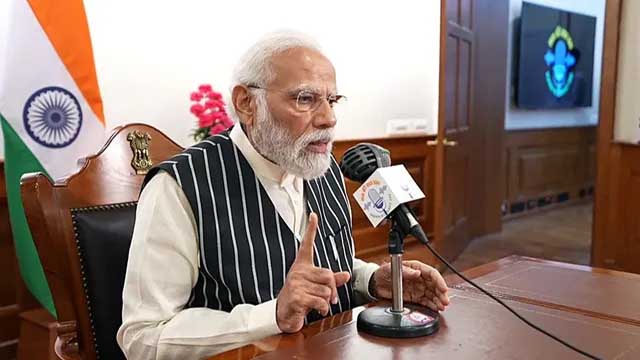
Prime Minister Narendra Modi addressed the nation in the 132nd episode of his monthly radio programme Mann Ki Baat, reflecting on global challenges, national resilience, youth participation, cultural preservation and grassroots initiatives shaping India’s progress. The address came at a time of heightened global uncertainty, with the Prime Minister acknowledging that the month had been marked by turbulence across the world.
He recalled the prolonged impact of the COVID-19 pandemic and noted that while there had been expectations of global recovery and renewed progress, the emergence of conflicts and war in different regions has continued to disrupt stability. Referring to the ongoing conflict in India’s neighbourhood, he expressed concern about its implications, particularly for millions of Indians living and working abroad, especially in Gulf countries. He conveyed gratitude to these nations for supporting over one crore Indians residing there.
Highlighting the economic impact of global developments, the Prime Minister pointed out that the conflict has affected energy supply chains, leading to concerns regarding petrol and diesel availability worldwide. Despite these challenges, he stated that India’s strong global relations and internal capabilities have enabled the country to navigate the situation with confidence. He called upon citizens to remain united and avoid being misled by misinformation, emphasizing that national interest must take precedence over political considerations during such times.
The Prime Minister reiterated that India’s strength lies in its people and highlighted initiatives that reflect the spirit of public participation. Among them, he spoke about the Gyan Bharatam Survey, which aims to document the country’s rich manuscript heritage. Citizens have been encouraged to contribute through a dedicated platform by sharing details and images of manuscripts. He noted that contributions have already been received from various parts of the country, including rare manuscripts written in different scripts and preserved on materials such as palm leaves and copper plates.
Focusing on the role of youth, the Prime Minister described India as one of the youngest nations in the world and emphasized the importance of engaging young people in nation-building activities. He highlighted the role of the MY Bharat initiative, which connects youth with developmental programmes. Referring to a recent budget-related quiz organised under the initiative, he noted the enthusiastic participation of nearly 12 lakh young people. Selected participants also contributed essays on topics such as farmer welfare, women-led development, environmental sustainability and sports promotion, reflecting the aspirations and ideas of the younger generation.
The address also celebrated achievements in sports, particularly the recent success of the Jammu and Kashmir cricket team in winning the Ranji Trophy for the first time. The Prime Minister commended the team’s dedication and highlighted the performances of key players, noting that such achievements inspire youth across the region to take up sports. He also referred to the growing popularity of sports in Jammu and Kashmir and expressed optimism about its emergence as a hub for major sporting events.
Encouraging a culture of fitness, the Prime Minister reminded citizens of the importance of maintaining a healthy lifestyle. With International Yoga Day approaching, he urged people to adopt yoga and reduce consumption of sugar and cooking oil to prevent lifestyle diseases. He shared examples of individuals promoting yoga internationally and highlighted how small lifestyle changes can have significant health benefits.
In the field of education, the Prime Minister spoke about innovative initiatives aimed at fostering scientific curiosity among students. He referred to efforts by educational institutions that provide students with opportunities to engage in research and experimentation, thereby making learning more interactive and practical. He also highlighted traditional systems of knowledge sharing, such as those practiced by tribal communities, which combine cultural preservation with modern education.
Water conservation was another key theme of the address. The Prime Minister noted that with the onset of summer, the need for water conservation becomes more pressing. He referred to national campaigns that have led to the creation of millions of water harvesting structures and highlighted community-led initiatives in different parts of the country. Examples included villages adopting rainwater harvesting systems and farmers implementing innovative techniques to improve groundwater levels. These efforts, he said, demonstrate the power of collective action in addressing environmental challenges.
The Prime Minister also highlighted the contributions of the fisheries sector to the economy and the role of innovation in enhancing livelihoods. He shared stories of individuals who have successfully adopted fish farming and related activities, transforming their economic conditions and inspiring others in their communities. He noted that government initiatives and technological support are helping fishermen and entrepreneurs improve productivity and sustainability.
Environmental conservation efforts were also emphasized, with the Prime Minister referring to large-scale tree plantation drives and community initiatives to preserve traditional seeds and biodiversity. He noted that such efforts not only address climate change but also strengthen cultural heritage and ensure sustainability for future generations.
The growing adoption of solar energy under government schemes was highlighted as a significant step towards clean and renewable energy. The Prime Minister shared examples of individuals benefiting from solar installations, including reduced electricity costs and increased income opportunities. He noted that the expansion of solar energy is transforming lives, particularly in rural and remote areas, by providing reliable and sustainable power.
Concluding his address, the Prime Minister emphasized the importance of collective effort in bringing about positive change. He encouraged citizens to share inspiring stories and participate actively in nation-building initiatives. He described the programme as a platform for dialogue and connection, bringing together people from different parts of the country with a shared sense of purpose.
The 132nd episode of Mann Ki Baat thus highlighted a wide range of issues, from global challenges and economic resilience to grassroots innovation and cultural preservation, reinforcing the message of unity, participation and optimism for the future.

