























NEW DELHI, April 8
Iran’s Supreme National Security Council on Wednesday issued a sharply worded warning, stating that Tehran’s “fingers are on the trigger” and that “any mistake by the enemy will be met with a full-scale response,” according to state media. The statement came at a moment of fragile de-escalation, following the announcement of a two-week ceasefire between Iran and the United States, a development that has drawn cautious attention across the region and beyond.
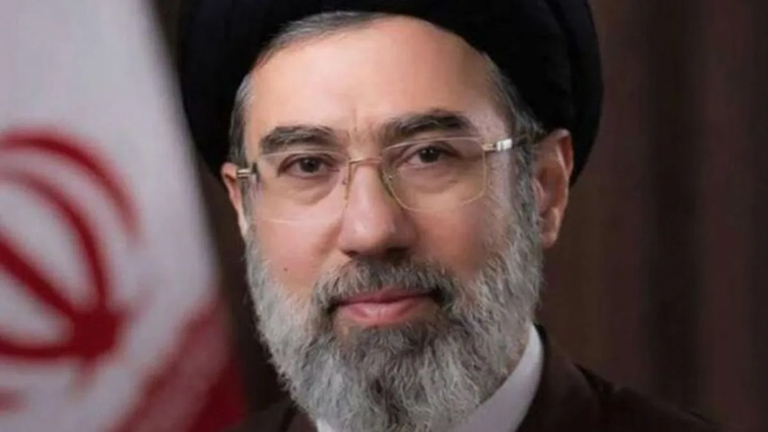
The council indicated that the decision to move toward negotiations with Washington was taken under the “guidance” of Iran’s supreme leader, Ayatollah Mojtaba Khamenei. This reference underscores the central role of the country’s highest authority in shaping both military posture and diplomatic engagement. While the ceasefire signals a pause in active hostilities, Iranian officials have made it clear that their approach to the talks will be marked by deep scepticism. The council explicitly stated that Iran would enter negotiations “with complete distrust of the American side,” reflecting a long-standing strain in relations between the two countries.
The ceasefire itself was first publicly highlighted by Shehbaz Sharif, who positioned Islamabad as an early intermediary in the process. In a post on the social media platform X, Sharif announced that Iran and the United States, along with their respective allies, had agreed to an immediate halt in hostilities across multiple theatres, including Lebanon. His message framed the development as a broad-based regional de-escalation rather than a narrowly defined bilateral pause.
Confirmation from Washington followed shortly thereafter, with Donald Trump sharing a screenshot of Sharif’s announcement, effectively endorsing the claim of a ceasefire. The sequence of announcements highlighted the role of third-party actors in shaping both the narrative and the diplomacy surrounding the agreement. Pakistan’s involvement, in particular, points to the continued relevance of regional powers in facilitating communication during periods of heightened tension.
Further elaboration on Iran’s position came through a statement issued by Abbas Araghchi. Speaking on behalf of the Islamic Republic, Araghchi expressed appreciation for the efforts of Pakistan’s leadership, including Prime Minister Sharif and military chief Asim Munir, crediting them with playing a constructive role in bringing about the ceasefire. His remarks suggested that behind-the-scenes diplomatic engagement had been instrumental in creating the conditions for a temporary halt in hostilities.
Araghchi also outlined the framework under which Iran has agreed to suspend its military operations. He stated that Tehran’s decision was influenced by multiple factors, including a “brotherly request” from Pakistan, a U.S. proposal comprising 15 points for negotiations, and Washington’s reported willingness to consider elements of Iran’s own 10-point proposal as a basis for talks. This convergence of proposals indicates that both sides may have found limited common ground sufficient to justify a pause, even if fundamental differences remain unresolved.
Crucially, the Iranian statement tied the continuation of the ceasefire directly to the cessation of attacks against its territory. Araghchi emphasised that if hostilities against Iran are halted, its armed forces would reciprocate by stopping what he described as “defensive operations.” This conditional formulation reflects the fragile and reversible nature of the agreement, suggesting that any breach could quickly lead to renewed escalation.
One of the most significant operational aspects of the ceasefire concerns the Strait of Hormuz, a critical maritime corridor for global energy flows. Iran announced that, for the duration of the two-week period, safe passage through the strait would be permitted, subject to coordination with its armed forces and certain technical constraints. This assurance is likely to be closely watched by global markets, given the strategic importance of the waterway for oil shipments.
Taken together, these developments point to a tentative pause in a volatile situation rather than a definitive resolution. The rhetoric from Tehran indicates that while diplomacy has been initiated, the underlying distrust remains deeply entrenched. The ceasefire provides a narrow window for dialogue, but its durability will depend on the conduct of all parties involved and their willingness to translate provisional understandings into more stable arrangements.

