






















DH NEWS SERVICE
New Delhi, Nov 21
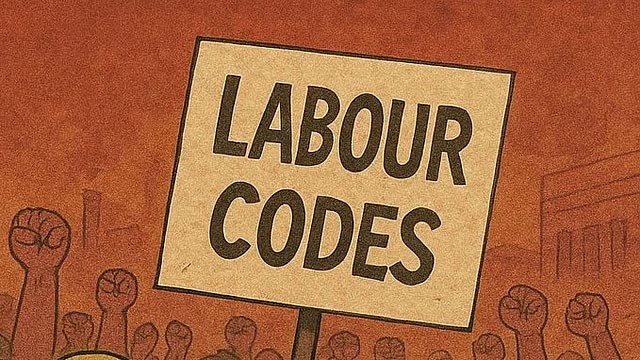
In a landmark overhaul of labour laws, the government on Friday notified all four Labour Codes, ushering in major reforms, including universal social security coverage for gig workers, mandatory appointment letters for all employees, and statutory minimum wages and timely payment across sectors.
The four Labour Codes — the Code of Wages (2019, Industrial Relations Code (2020), Code on Social Security (2020) and Occupational Safety, Health and Working Conditions Code (2020) — effective Friday, replace 29 fragmented laws with a unified, modern framework.
The reforms include expanded rights and safety for women, including night-shift work, free annual health check-ups for workers aged over 40 years, pan-India ESIC coverage including hazardous process units, and a single registration, licence and return system.
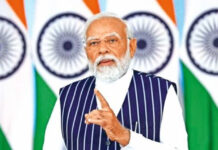
These Codes, Prime Minister Narendra Modi said in a series of social media posts on X, “Will serve as a strong foundation for universal social security, minimum and timely payment of wages, safe workplaces and remunerative opportunities for our people, especially Nari Shakti and Yuva Shakti…
“It will build a future-ready ecosystem that protects the rights of workers and strengthens India’s economic growth. These reforms will boost job creation, drive productivity and accelerate our journey towards a Viksit Bharat.”
Modi further said that “It is one of the most comprehensive and progressive labour-oriented reforms since Independence. It greatly empowers our workers. It also significantly simplifies compliance and promotes ‘Ease of Doing Business’.”
According to Labour Minister Mansukh Mandaviya, the labour Codes will formalise employment, strengthen worker protections, and make the labour ecosystem simpler, safer and globally aligned.
Additional systemic reforms include a national floor wage, gender-neutral work policies, the Inspector-cum-Facilitator model for supportive compliance, faster dispute resolution through two-member tribunals, and a National Occupational Safety, Health (OSH) Board to harmonise safety standards.
The government will now initiate consultations to frame detailed rules and schemes.
During the transition, provisions of existing labour laws will remain applicable wherever required.
The social-security coverage had expanded from 19 per cent in 2015 to over 64 per cent in 2025. The enforcement of the Labour Codes marks the next transformative step — broadening worker protections, easing business operations and promoting a pro-worker labour ecosystem.
According to a labour ministry statement, the Codes lay the foundation for Aatmanirbhar Bharat.

