
























NEW DELHI, Feb 3
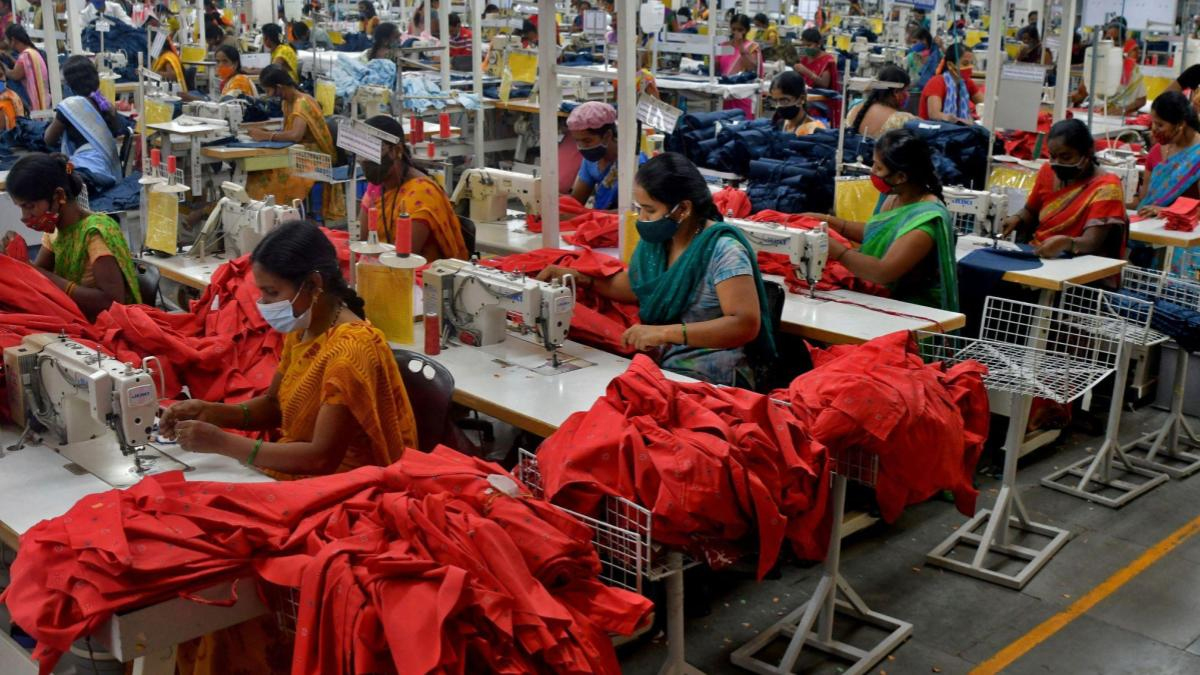
India’s textile and apparel industry is said to be one of the biggest beneficiaries after US President Donald Trump announced a reduction in tariffs on Indian exports to 18% from as high as 50%. This will significantly offer some relief to the sector that had borne the brunt of the earlier levy.
Analysts across brokerages said the tariff rollback restores market access and pricing competitiveness in India’s largest export destination, at a time when exporters were grappling with shipment deferrals, margin stress and subdued order inflows.
Volumes, margins seen improving
According to a report by Axis Direct, the tariff reduction is a medium-term structural positive for the textile sector due to improved market access and tariff certainty. The brokerage expects export volumes to recover by 20–25% as duty relief improves order flows, leading to higher factory utilisation and better operating leverage.
Furthermore, Axis Direct noted that many textile exporters had absorbed part of the earlier 50% tariff to remain competitive. The sharp reduction now gives companies room to regain volumes while retaining improved margins. Easing trade tensions could also support the rupee and improve raw material availability, helping contain imported input costs, it added.
Major relief for labour-intensive sector
As per Antique Stock Broking, Nearly $11 billion worth of textile exports would receive “major relief” from the tariff cut. It flagged textiles as a labour-intensive segment that was significantly threatened by the earlier levy, with the new 18% rate expected to sharply improve the business outlook and drive a re-rating for the sector.
According to Nuvama Institutional Equities, the effective tariffs on textiles were slashed from 50% to 18% after the rollback of reciprocal duties and removal of a 25% punitive levy. The brokerage said the sector had “borne the maximum brunt” of the earlier tariff regime and that the deal would aid employment generation.
Textiles account for 5.7% of India’s total goods exports, with shipments to the US estimated at $25 billion in FY25, as per Nuvama.
Edge over competitors
Jefferies said the revised tariff gives Indian textile exporters a competitive edge, with duties now 1–2 percentage points lower than those faced by peers such as Pakistan and Vietnam. The brokerage noted that the deal boosts sentiment for labour-intensive sectors with high exposure to the US market.
Pakistan faces a 19% tariff on exports to the US, while Vietnam faces a 20% tariff on exports to the US. China faces a 34% tariff on exports to the US, the highest among all the Asian countries.
In 2024, India’s exports to the US included $4.7 billion of articles of apparel and clothing accessories and $2.9 billion of made-up textile articles, Jefferies said.
Stocks in focus
Brokerages identified several listed players as beneficiaries of the tariff cut. Axis Direct named Welspun Living, Gokaldas Exports, Pearl Global Industries, KPR Mill, Arvind, Vardhman Textiles, Kitex Garments and Indo Count Industries.
Antique Stock Broking also highlighted KPR Mill, Welspun Living and Arvind as key beneficiaries, while Jefferies flagged Welspun Living as well-positioned to gain from the improved tariff environment.
With the US remaining India’s largest overseas market for textiles, analysts said the tariff rollback comes at a crucial juncture, offering exporters visibility ahead of the next ordering cycle.

