












DH NEWS SERVICE
jammu, Nov 30
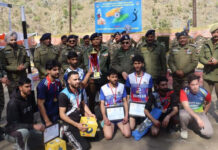
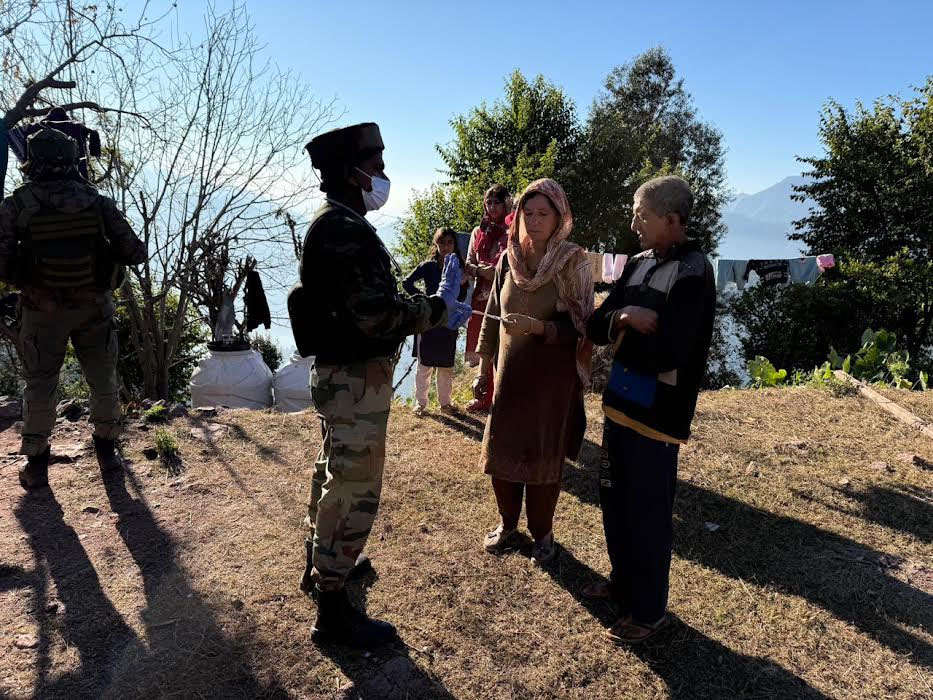
The Indian Army carried out a comprehensive and compassionate medical patrol at Chakal Salta in the Rajauri-Poonch region on 30 November 2025, reaffirming its unwavering dedication to the welfare of local communities. This outreach effort, conducted amidst the challenging terrain and harsh winter conditions of the area, provided much-needed healthcare support to 44 residents. The beneficiaries included senior citizens, women, and children-groups particularly vulnerable to seasonal illnesses and limited access to medical facilities.
The primary objective of the medical patrol was to address common ailments affecting the local population, many of which worsen during the winter months. With temperatures dipping sharply and weather conditions turning severe, residents of remote villages like Chakal Salta often face difficulties in obtaining timely medical consultations. Understanding these challenges, the Indian Army deployed trained medical personnel to deliver essential healthcare directly at the doorstep of the community.
During the patrol, the medical team conducted thorough check-ups and diagnoses, addressing a variety of health issues such as respiratory infections, joint pain, seasonal flu, skin conditions, and chronic ailments like hypertension and diabetes. Special attention was given to the elderly, who frequently struggle with cold-induced complications, and to women and children, who are commonly affected by nutritional deficiencies and seasonal illnesses. The visiting medical professionals ensured that every individual received personalised care tailored to their needs.
In addition to on-the-spot examinations, the medical patrol distributed essential medicines free of cost. These included antibiotics, pain relievers, cough syrups, vitamin supplements, and topical ointments-items that are often scarce or expensive for villagers in remote areas. The provision of these medicines not only alleviated immediate health concerns but also helped prevent complications that could arise from unattended medical issues.
Apart from medical consultations and medicines, the patrol also played an important role in spreading health awareness.
The medical team engaged villagers in discussions about preventive healthcare practices, hygiene, nutrition, and early detection of diseases. They emphasised the importance of keeping living spaces properly ventilated, especially in winter when coal bukharis and gas heaters are used extensively. Improper ventilation can lead to carbon monoxide poisoning, a serious but often overlooked threat during the cold season. The Army’s guidance on safe heating practices helped equip residents with vital knowledge to protect their families.
The outreach also highlighted the significance of maintaining hydration during winter, the role of a balanced diet, and the need for timely medical attention when symptoms persist. Such awareness initiatives are critical in remote villages where formal health education is limited and misconceptions about illness are common.
This medical patrol is a reflection of the Indian Army’s broader commitment to community welfare and peacebuilding. The Army’s presence in the region is not confined to security operations; rather, it extends meaningfully into humanitarian assistance, social outreach, and development initiatives. By engaging directly with the civilians through medical camps, educational programs, and welfare activities, the Army strengthens the trust and cooperation between security forces and local residents.
Such interactions also help counter misconceptions and foster an environment of mutual respect and understanding. The goodwill generated through these initiatives contributes significantly to regional stability and harmony. In sensitive and remote areas like Poonch, these engagements play a pivotal role in building strong, resilient, and supportive communities.
Local residents expressed their gratitude for the Army’s timely intervention, acknowledging that such medical assistance is invaluable during winter, when travel to distant hospitals becomes difficult. Community leaders and elders noted that the Army’s presence acts as both a source of security and welfare, bridging gaps in essential services.
The successful medical patrol at Chakal Salta stands as a testament to the Indian Army’s commitment to service beyond duty. By prioritising the health and well-being of the local populace, the Army continues to fortify its bond with the people and contribute towards lasting peace, prosperity, and trust in the region.

