





















DH NEWS SERVICE
rajouri, Nov 9
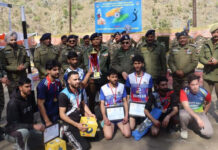
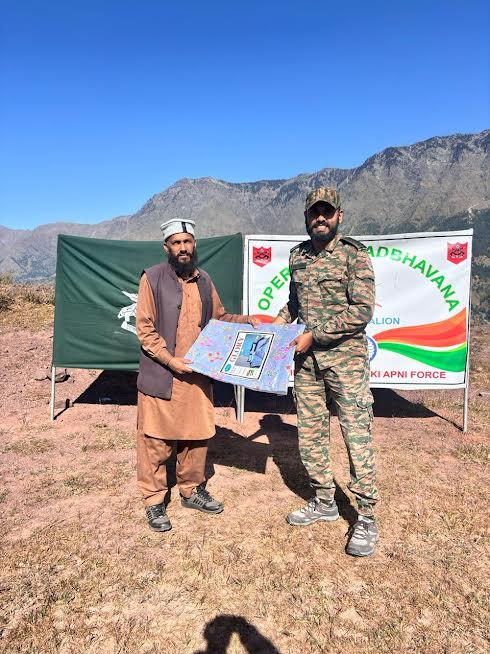
The Indian Army, under its flagship humanitarian initiative Operation Sadbhavana, organized a large-scale welfare programme in Rajouri district aimed at providing essential winter relief to the Gujjar-Bakarwal community. The event, held on November 9, 2025, covered several villages including Mandirgala, Parore Gujaran, Pargal, Sarotha and Dharal, where the Army distributed blankets, shawls and bed sheets to 24 economically weaker families. These items were especially chosen to help residents cope with the harsh winter conditions that sweep across the hilly terrain during this time of the year. The Gujjar-Bakarwals, a nomadic pastoral community, often face difficult living conditions, with limited access to healthcare and basic necessities. The Army’s initiative was therefore both timely and impactful, offering warmth, comfort and a sense of security to some of the most vulnerable families in the region.
The event was designed not merely as a distribution drive but as part of a broader engagement strategy to strengthen the Indian Army’s bond with the local populace. The Army personnel interacted closely with the villagers, listening to their concerns and understanding their day-to-day challenges. This personal outreach fostered goodwill and trust, reflecting the Army’s continued commitment to maintaining peace and promoting development in border areas. Alongside the distribution of winter essentials, the Army also set up a mini medical camp to address basic health needs. Medical officers and Army health staff conducted routine check-ups, provided consultations and distributed free medicines to those suffering from minor ailments. The camp proved particularly useful for elderly villagers and children, who often lack access to regular medical facilities due to the remoteness of their settlements.
The dual approach of providing material aid and healthcare demonstrated the Army’s holistic vision of community welfare. Operation Sadbhavana, launched years ago in Jammu and Kashmir, has consistently focused on fostering harmony, improving quality of life and strengthening the relationship between the Army and local residents. Over the years, the initiative has covered a wide range of welfare activities – from education and women’s empowerment to healthcare and infrastructure development. This latest effort in Rajouri continued that legacy, reaffirming the Army’s role not just as a defender of borders but also as a partner in regional development and humanitarian support.
Local villagers expressed heartfelt gratitude for the Army’s efforts, acknowledging the distribution drive as a compassionate gesture that would help them endure the approaching winter season. Community elders praised the Army for consistently reaching out to remote areas where government aid and services often arrive late or remain insufficient. The gesture also carried symbolic value, reinforcing the Army’s image as a dependable and empathetic institution deeply embedded in the social fabric of the region.
Beyond immediate relief, the initiative had a larger purpose – to strengthen confidence, bridge gaps and promote a spirit of mutual trust between the security forces and the civilian population. The presence of Army personnel in these villages served as a reassurance of safety and stability, particularly in an area where the challenges of geography and isolation are compounded by occasional security concerns. The event also highlighted the Army’s philosophy that true security is not achieved by force alone, but by nurturing the wellbeing and dignity of the people it protects.
Through this winter aid programme, the Indian Army once again demonstrated that its mission extends far beyond defense duties. By addressing both the physical and emotional needs of the local communities, it continues to uphold its role as a pillar of compassion, support and unity in the border regions of Jammu and Kashmir.
The success of the Rajouri event reaffirmed the values of empathy and service that lie at the heart of Operation Sadbhavana, ensuring that the warmth of human connection remains as vital as the protection of national boundaries.

