
















DH NEWS SERVICE
Rajouri, Oct 23
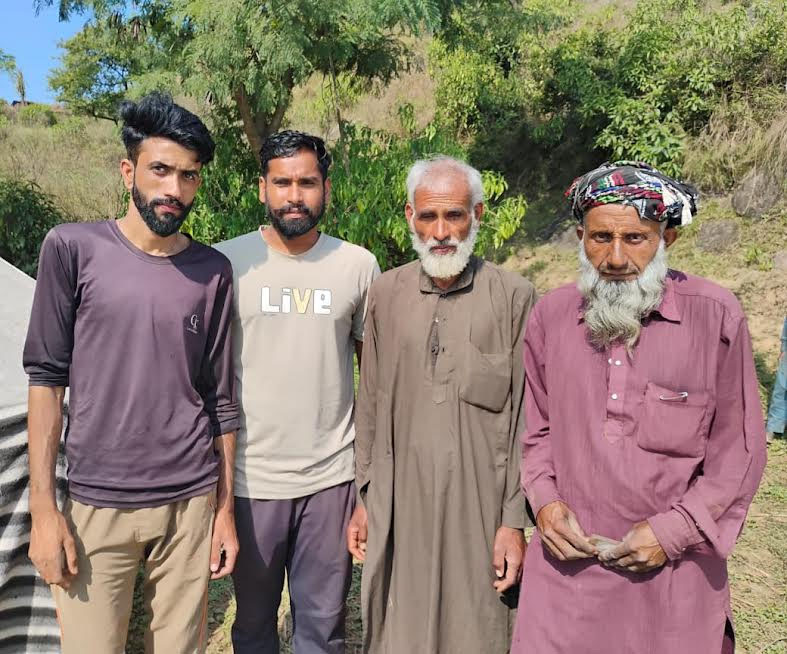
In its continued endeavour to foster harmony, trust, and cooperation with local communities in the border regions of Jammu and Kashmir, the Indian Army organised an interaction with members of the Gujjar and Bakkarwal communities at Thandapani, Marchola, and Dharoon areas of Parat in District Rajouri. The initiative was part of the Army’s sustained outreach efforts aimed at strengthening its long-standing relationship with these nomadic groups who play an essential role in the region’s cultural and social fabric.
The Gujjars and Bakkarwals, known for their centuries-old pastoral lifestyle, migrate seasonally in search of suitable grazing grounds for their livestock. With the onset of winter, they begin their return journey from the higher reaches of the Himalayas to the lower plains, passing through several areas under the Army’s jurisdiction. Recognising the challenges faced by these communities during their migration, the Indian Army has consistently maintained close engagement with them to provide guidance, support, and assistance wherever required.
The interaction held at Parat focused on understanding the difficulties encountered by the community during their migratory movement and exploring ways to address them effectively. Members of the Gujjar and Bakkarwal communities shared their experiences, highlighting issues such as access to healthcare, education for children during migration, and livelihood opportunities. They also discussed the hardships faced while navigating through rough terrain and unpredictable weather conditions.
Responding to these concerns, Army representatives reassured the participants of continued support and assistance. They emphasised the importance of education, especially for the younger generation, and encouraged parents to ensure that their children pursue formal schooling. The officers highlighted several government and Army-run initiatives aimed at promoting literacy in remote areas and informed the community about available welfare schemes.
Special attention was also given to the theme of women empowerment, with Army personnel urging women to take active participation in education and skill development programmes. They explained how acquiring basic skills such as tailoring, handicrafts, and animal husbandry management could enhance family incomes and improve living standards. The interaction also touched upon issues related to healthcare awareness, hygiene, and the importance of vaccinations for both humans and livestock.
The Army’s representatives reiterated their unwavering commitment to assist these communities, acknowledging their vital contribution in maintaining peace, stability, and social cohesion in the region. They noted that the Gujjar and Bakkarwal communities, due to their extensive movement across the region, serve as vital stakeholders in ensuring harmony and mutual understanding between the local populace and the security forces.
The event concluded on a positive note, with members of the Gujjar and Bakkarwal communities expressing deep gratitude towards the Indian Army for its continuous engagement and support. They conveyed their trust and appreciation for the Army’s efforts in addressing their concerns and for treating them as integral partners in promoting peace and development in the region.
Such interactions form an essential part of the Indian Army’s civic outreach programme under its “Sadbhavana” initiatives. Through these engagements, the Army not only provides immediate assistance but also nurtures long-term relationships built on mutual respect and cooperation. By focusing on education, empowerment, and livelihood opportunities, the Indian Army continues to play a vital role in uplifting remote and nomadic communities while ensuring that the message of unity, peace, and nation-building resonates across the length and breadth of Jammu and Kashmir.

