



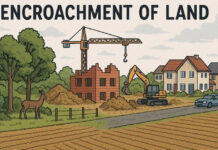






















Heritage is not merely about monuments, ancient scripts, or traditional art forms; it is the living soul of a civilization. It connects generations, providing societies with a sense of continuity, identity, and pride. At the same time, heritage is not meant to remain static. When nurtured thoughtfully, it becomes the foundation for growth—cultural, social, and economic. The journey from heritage to growth is, therefore, a vital process through which nations not only safeguard their past but also build sustainable futures. India, with its millennia-old civilization, is one of the finest examples of how heritage can serve as a springboard for growth. The diversity of our traditions, languages, cuisines, festivals, and architecture forms a rich mosaic that continues to inspire innovation and unity. Temples of Khajuraho, the Taj Mahal, Ajanta and Ellora caves, Mughal gardens, and countless local art forms are not just tourist attractions; they are reservoirs of human creativity and knowledge. By preserving them, India invests in cultural capital that enhances its soft power and global image. Economic growth is increasingly tied to heritage through the rising importance of cultural tourism. Millions of visitors from across the world travel to India to experience its history, spirituality, and traditions. This not only contributes to the economy but also creates opportunities for local communities to engage in livelihoods—whether through handicrafts, performing arts, or heritage walks. The fusion of tradition with modern entrepreneurial spirit enables artisans, craftsmen, and weavers to carry forward their ancestral skills while ensuring sustainable incomes. Thus, heritage becomes a powerful driver of inclusive growth. Heritage also nurtures growth by instilling values and resilience in society. Our traditions emphasize coexistence, respect for nature, and collective responsibility. These values are particularly relevant in addressing contemporary global challenges like climate change, environmental degradation, and social inequality. Ancient Indian practices such as yoga, Ayurveda, water harvesting, and sustainable architecture offer insights for healthier and greener living. By adapting these traditional practices to modern contexts, societies can grow without losing balance with nature. Education plays a central role in linking heritage with growth. When young generations learn about their cultural roots, they not only inherit pride but also creativity. Integrating local history, folklore, and traditional knowledge systems into curricula fosters critical thinking and innovation. For instance, the rediscovery of ancient metallurgical practices or agricultural techniques can inspire modern science and technology. Growth that is rooted in heritage is more authentic, holistic, and sustainable than growth that blindly imitates external models. At the same time, moving from heritage to growth requires responsible preservation. Rapid urbanization and commercialization often threaten cultural assets. Many monuments face neglect, ancient crafts face extinction, and traditional knowledge is at risk of being forgotten. Growth cannot come at the cost of heritage; rather, it should emerge from protecting and revitalizing it. Government policies, public-private partnerships, and community participation are essential to ensure that heritage sites and practices are not only conserved but also made accessible to future generations. In today’s globalized world, heritage also fuels growth by enhancing international recognition and cooperation. UNESCO World Heritage sites, for example, place nations on the global cultural map. India’s diverse heritage, from Kumbh Mela to traditional dance forms, earns admiration worldwide, strengthening diplomacy and cultural ties. This “soft power” is as important as economic or military power in shaping a nation’s influence on the world stage. By sharing its heritage, a nation also opens doors for investment, tourism, and global partnerships. The digital age has further amplified the scope of growth from heritage. Technology allows preservation through digitization of manuscripts, 3D mapping of monuments, and global promotion of crafts through e-commerce. Young entrepreneurs are blending tradition with innovation—designing modern attire from handloom fabrics, creating apps for heritage trails, or reviving folk music through digital platforms. This convergence of heritage and technology not only generates economic opportunities but also ensures that cultural treasures are never lost to time. Heritage and growth are not contradictory but complementary. A society that forgets its heritage risks losing its identity, while one that clings to the past without adapting may stagnate. The true essence lies in balancing preservation with progress. From heritage to growth is a journey of continuity—where the wisdom of the past illuminates the path to the future. India, with its unparalleled legacy, stands as a reminder that cultural wealth, when harnessed wisely, can lead not just to economic development but to holistic national prosperity. By honoring heritage and transforming it into an engine of progress, nations can ensure that growth is not just about numbers but about values, resilience, and inclusivity. Heritage, after all, is the seed, and growth is the flourishing tree that sustains generations to come.