

















washington, Sept 30
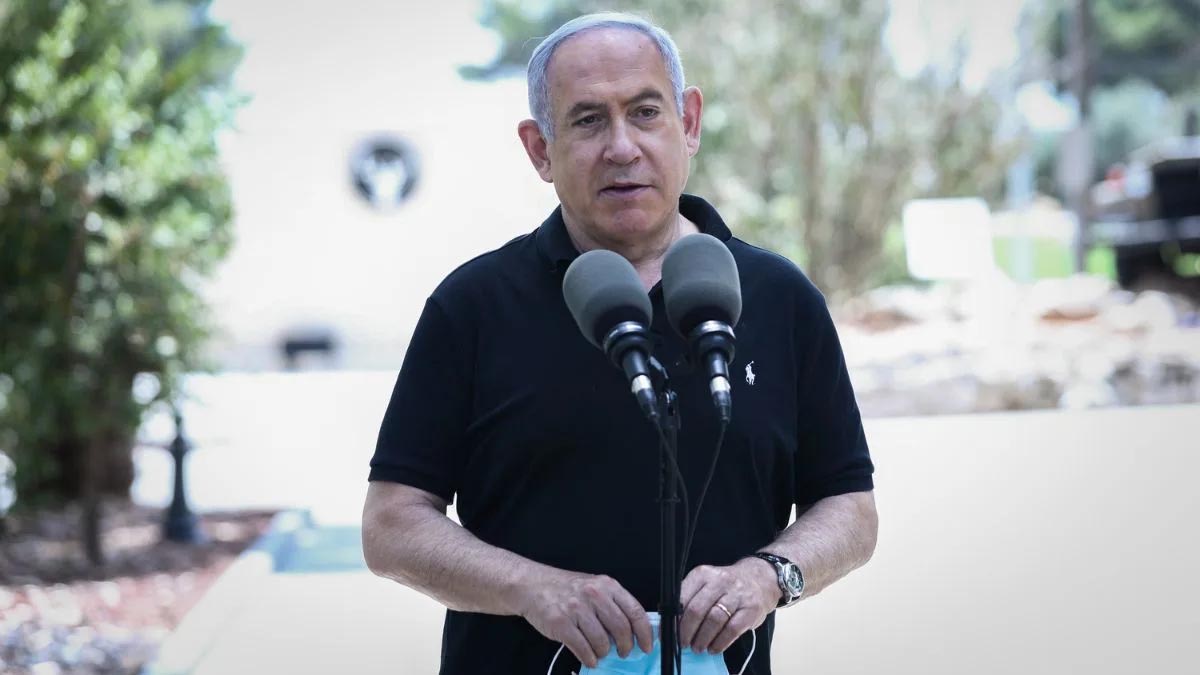
The international community has responded to US President Donald Trump’s 20-point plan to end the Gaza war with mixed reactions. The plan, unveiled after talks with Israeli Prime Minister Benjamin Netanyahu on Monday (local time), aims to bring peace to the war-torn region and secure the release of remaining hostages.
The plan has received mixed reactions from the international community, with some Arab leaders welcoming Trump’s efforts to bring peace to the region. However, critics argue that the plan’s success depends on Hamas’ acceptance and implementation, which remains uncertain.
Countries like Egypt, Indonesia, Jordan, Pakistan, Qatar, Saudi Arabia, Turkey, and the United Arab Emirates have welcomed Trump’s proposals, expressing confidence in his leadership and efforts to find a path to peace.
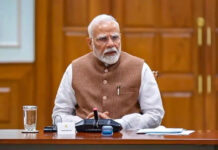
The Palestinian Authority has also welcomed the plan, pledging to implement reforms and affirming its confidence in Trump’s ability to find a path towards peace. Prime Minister Narendra Modi has extended India’s support to Trump’s comprehensive plan, hoping for regional stability. “We welcome President Donald J Trump’s announcement of a comprehensive plan to end the Gaza conflict. It provides a viable pathway to long-term and sustainable peace, security, and development for the Palestinian and Israeli people, as also for the larger West Asian region,” PM Modi said in a post on X.
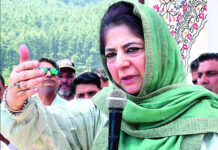
Hamas is reviewing the plan in “good faith” but hasn’t officially responded yet, with a spokesperson indicating that the group would evaluate it based on Palestinian interests.
The Palestinian Islamic Jihad (PIJ) group has called the plan a “recipe to blow up the region”.
Many residents are skeptical, viewing the plan as a trick to release Israeli hostages without ending the war.
Key components of the plan include:
A halt to all military operations in Gaza, with Israeli forces withdrawing to agreed-upon lines.
All Israeli hostages would be returned within 72 hours, with Palestinian prisoners released in exchange.
Gaza would be transformed into a “deradicalised terror-free zone” with Arab and Muslim countries contributing to security efforts.
A temporary international authority would oversee Gaza’s administration, with a Palestinian technocratic authority implementing policies on the ground.
Unrestricted humanitarian aid would be allowed into Gaza, with international organisations overseeing distribution.
However, the plan’s success hinges on Hamas’ acceptance and implementation, which remains uncertain.
Also, neither Qatar nor Saudi Arabia has any formal ties with Israel, although Qatar has played a key mediatory role in negotiations over the past two years of war, and Israel is eyeing normalization with Riyadh further down the line.
Meanwhile, Netanyahu also faces opposition from within his government, with far-right ministers setting conditions for any agreement, including the destruction of Hamas.
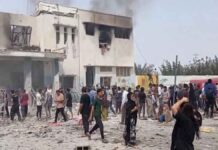
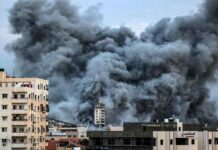
The ongoing conflict has resulted in significant humanitarian suffering, with over 66,000 Palestinians killed and widespread destruction in Gaza.

