


















washington, Sept 26
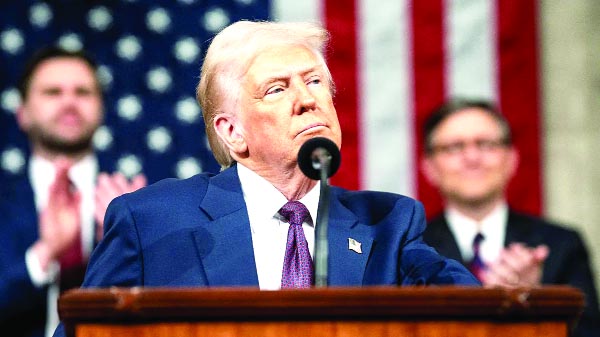
The US administration has announced the imposition of a 100% tariff on branded or patented drugs entering the US from October 1.
However, this comes with an exemption for pharmaceutical companies building a manufacturing plant in the US. The exemption also covers projects where construction has started, including sites that have broken ground or are under construction.
HSBC Global Investment Research has highlighted that the potential impact on the Indian pharma sector is unlikely to have an immediate impact on Indian exports, as the bulk of India’s contribution lies in simple generics.
Only Sun Pharma has sizable sales from patented products in the US, it said.
Sun Pharma reported global sales of $1,217 million from patented products in FY25, of which the US market accounted for $1.1bn, comprising 85-90% of global sales, amounting to 17% of total revenue and 8-10% of consolidated EPS in FY25.
Generic (off-patent) drugs remain exempt from US tariffs, hence, there is no impact for other Indian companies.
Currently, Sun’s patented products are mostly manufactured by global CDMO partners, e.g., for Ilumya, its largest product in the patented portfolio (56% of total patented product sales in FY25), the drug substance is done by a CDMO partner based in South Korea, while the finished dose is manufactured by a European CDMO, the report highlighted.
HSBC Global Investment Research further highlighted that the tariff impact on earnings depends on multiple moving parts, spread of supply chain (from active ingredients to Fill-Finish), IP location of the brand, the use of third-party manufacturers, etc.
Ramnivas Mundada, Director of Economic Research and Companies at GlobalData, a leading data and analytics company, highlighted that while the immediate impact on India’s core generic drug export business may be limited, as most generics are not directly targeted by these tariffs, significant risks remain.
If the US expands tariffs to encompass generic medicines in the future, it will directly affect India’s primary export category.
“To navigate this challenging landscape, India has several strategic options. Market diversification into regions such as Europe, Latin America, and emerging economies is crucial to reduce reliance on the US market. Additionally, a shift towards high-value products, including complex generics and biosimilars, could enhance profit margins and provide a buffer against competitive pressures,” he added.
India accounts for about 47% of the US’s requirement of affordable, high-quality generic medicines.
The US has emerged as the leading destination for Indian pharmaceutical exports, accounting for 34.5% of the total in the fiscal year 2024-25. Notably, India’s pharmaceutical exports to the US surged by 20.4%, reaching $10.5 billion, while overall exports rose by 9.4% to $30.5 billion during the same period, as reported by the Pharmaceutical Exports Promotion Council of India.

