























new delhi, Sept 11
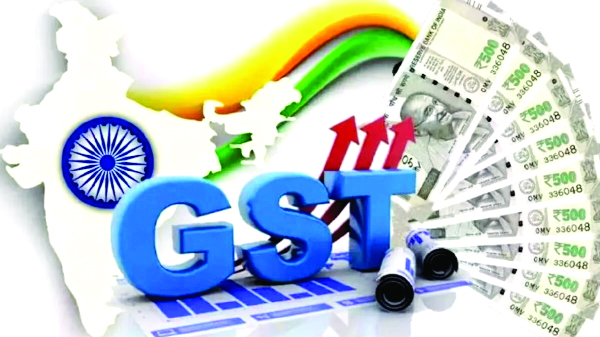
Flagging urgent GST-related concerns, the PHD Chamber of Commerce and Industry (PHDCCI) has submitted two detailed representations to the government.
In separate communications to the Finance Minister and the Chairman of the Central Board of Indirect Taxes and Customs (CBIC), the industry body highlighted acute issues in the polyester value chain and sought clarifications on GST 2.0 reforms.
In its letter to the Finance Minister Nirmala Sitharaman, PHDCCI warned of a severe inverted duty structure in the polyester value chain following recent GST revisions. The Chamber noted that finished polyester goods such as Partially Oriented Yarn (POY), Polyester Staple Fibre (PSF), Fully Drawn Yarn (FDY) and Drawn Textured Yarn (DTY) have been placed under the 5% GST slab, while key raw materials, Purified Terephthalic Acid (PTA) and Mono Ethylene Glycol (MEG), remain taxed at 18%.
Nearly 70% of PTA and MEG output feeds into polyester production, creating a mismatch that is blocking working capital, reducing competitiveness, and risking factory closures and job losses, it said. PHDCCI urged the Finance Ministry to reduce GST on PTA and MEG to 5% and implement a uniform GST rate across the polyester value chain. The Chamber said this move would eliminate the inversion, ease cash flow pressures, and align with the government’s Make in India initiative. Separately, in a meeting convened by CBIC Chairman Sanjay Kumar Agarwal to discuss GST reforms, rate rationalisation, and implementation challenges, PHDCCI submitted a representation highlighting key issues and clarifications needed for GST 2.0. The Chamber welcomed the government’s focus on simplifying compliance but flagged several urgent matters. It flagged accumulated compensation cess lying unused with automobile and beverage distributors, calling for a policy resolution. It also raised concerns over inverted duty structures in food and pharma, where disallowing refunds on input services and capital goods is blocking working capital. PHDCCI cited anti-profiteering provisions as difficult to implement at the distributor and retailer level and sought clarity on unutilized cess credit in automobiles, which has slowed vehicle purchases. The Chamber urged allowing refunds of accumulated ITC caused by GST rate cuts, recommending more flexible ways to pass on tax reduction benefits beyond MRP relabeling. It also requested clear guidance on handling ITC reversals for newly exempt goods to prevent added costs and disputes.
PHDCCI also requested comprehensive guidance on post-sale discount issues to reduce ambiguity and litigation.
Specific clarifications sought include non-reversal of Input Tax Credit where discounts are passed through financial or commercial credit notes.
, treatment of post-sale discounts as additional consideration in dealer–customer transactions, and the taxability of discounts offered in lieu of promotional or marketing activities.

