






















new delhi, Sept 2
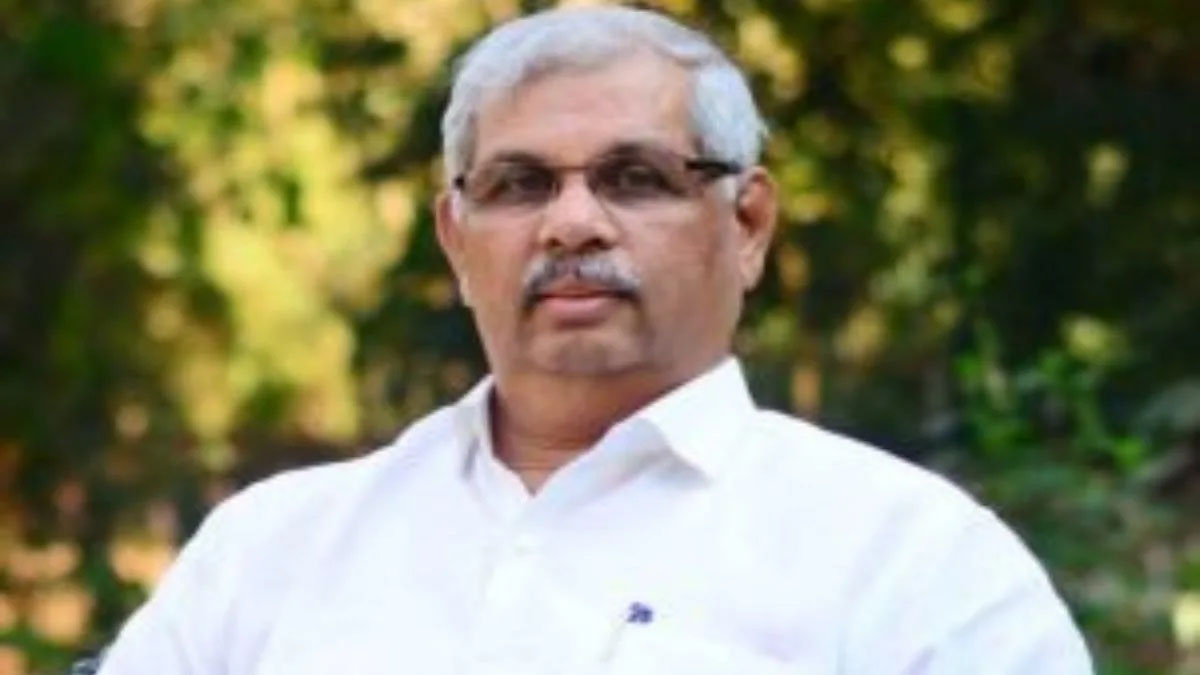
Kerala Governor Rajendra Arlekar, in his capacity as chancellor of state universities, approached the Supreme Court seeking modification of its August 18 order on the process of appointing vice chancellors to APJ Abdul Kalam Technological University and Kerala Digital University.
In his petition, the governor urged the court to exclude the chief minister from the selection process, include a nominee of the University Grants Commission (UGC) in the search committee, and ensure that the chancellor retains the discretion to choose from an alphabetical panel of shortlisted candidates.
The governor, in his petition, said that the chief minister’s participation could lead to a conflict of interest, as it would be akin to a person judging their own case, which is prohibited by University Grants Commission (UGC) Regulations.
According to him, the inclusion of the chief minister as a channel not only delays the process but also compromises in the independence of the appointment mechanism, the governor says in his plea. “The chief minister being the executive head of the state is connected with a number of government colleges, managed by the government and affiliated to the university. Therefore, as per UGC regulations, he cannot have any role whatsoever in the appointment of vice chancellors,” the petiion read.
In his plea, the Governor contends that the prevailing arrangement undermines the statutory powers of chancellor. He has urged that the recommendations of the Vice Chancellor search committee—constituted in accordance with UGC regulations—should be sent directly to him. The petition further highlights that UGC norms require a nominee of the Commission in every search committee
The petition seeks to modify aspects of the Supreme Court’s August 18 order, which appointed former Supreme Court judge Justice Sudhanshu Dhulia as chairperson of the search-cum-selection committees for these appointments.
The August 18 ruling also allowed for members of the search panel to be nominated from suggestions made by both the Kerala government and the chancellor. While the governor has no objections to Justice Dhulia’s appointment, he opposes the inclusion of state nominees on the panel.
The governor contends that the UGC regulations underscore the independence and autonomy of universities by excluding any governmental role in the process. He pointed out that both University Acts do not stipulate any involvement from the Minister or the Chief Minister in the selection and appointment of VCs.
Additionally, he filed a separate application requesting a judicial direction to include the UGC in the case, citing the necessity of having a nominee from the UGC chairperson in the search panels.
He noted that the Supreme Court had previously determined that Vice Chancellor appointments must adhere strictly to UGC Regulations from 2018.
The governor contended that the list of the vice chancellor selection panel should not be a “rank list” of candidates, as this would undermine the discretion granted to the Chancellor. Instead, the panel should provide three to five names deemed suitable, leaving the final selection to the chancellor
The plea further argues that the Supreme Court’s earlier reliance on State of West Bengal v. Sanat Kumar Ghosh was misplaced, since unlike the Calcutta University Act, the Kerala University statutes do not provide any role for the Chief Minister or the State Government in Vice Chancellor appointments. It further cites Prof. Dr. Sreejith v. Dr. Rajasree (2023), where the Court held that UGC Regulations prevail over conflicting state laws in Vice Chancellor appointments.
The governor also sought deletion of the observation that the August 18 order was passed with the “consent of both parties,” contending that the Attorney General of India was not heard when the order was issued.

