








new delhi, Aug 25
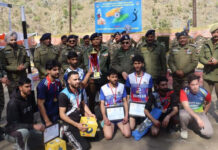
The curtain has come down on the Khelo India Water Sports Festival 2025, but the first-ever consolidated national-level, open-age competition in kayaking, canoeing, and rowing has already marked a turning point for the sport in India.
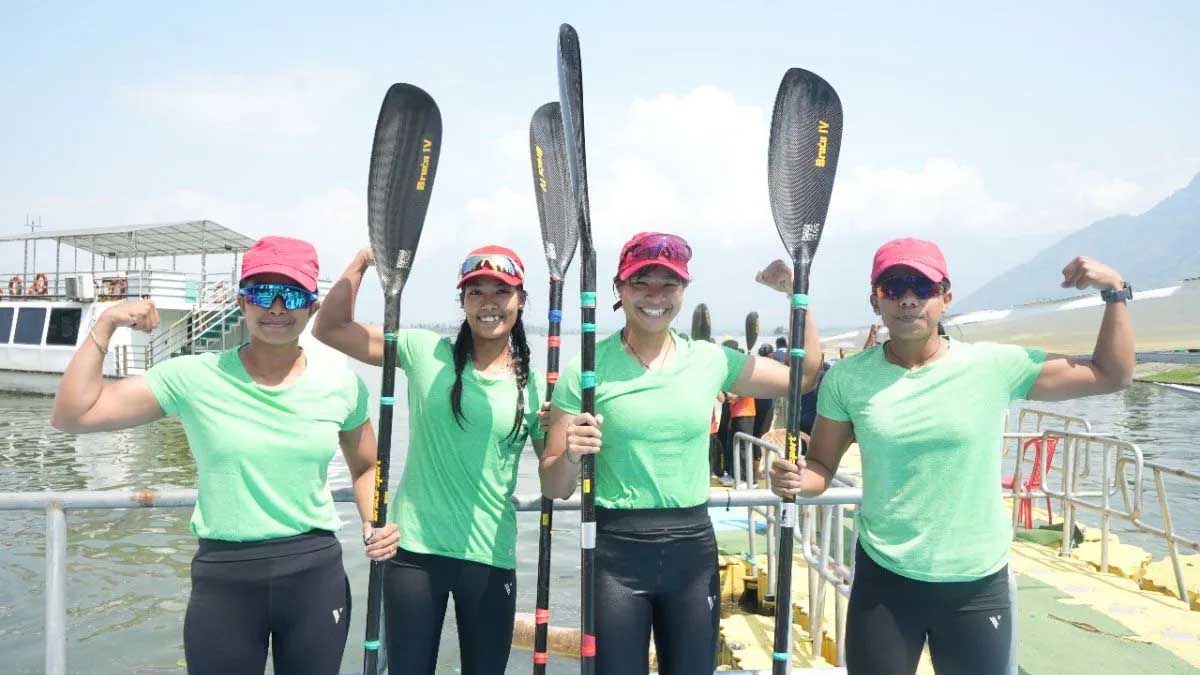
Organised by the Jammu and Kashmir Sports Council under the supervision of the Sports Authority of India (SAI), the event has energised athletes and coaches alike, with eyes now set on Los Angeles 2028 and upcoming global competitions. All 24 gold medals decided at Dal Lake between August 21-23, including 10 in rowing, were Olympic events.
Madhya Pradesh, Odisha and Kerala finished as the top three states at the festival. Performances by athletes from iconic training hubs — Bhopal’s lake academy, Odisha’s Jagatpur centre by the Bay of Bengal, and Kerala’s SAI Centre of Excellence at Alappuzha — captured headlines. Standout names included Rasmita Sahoo, Bidya Devi Oinam and Shruti Tanaji Chougule from Jagatpur; Madhya Pradesh’s Dally Bishnoi, Shikha Chauhan and Pallavi Jagtab; and Uttarakhand’s Vishal Dangi. Notably, Shikha and Pallavi were part of the Indian trio that won a historic silver at the Asian Canoe Slalom Championship in Guizhou, China. Athletes training at SAI centres across India left their mark, with 47 of them winning five gold, seven silver, and three bronze medals.
Jagatpur led the way, its 15 participants returning with three golds and five silvers.
With the new Khelo Bharat Niti policy focused on upliftment and exposure, experts believe KIWSF could be a gamechanger. Backed by government support through TOPS (Target Olympic Podium Scheme) and TAGG (Target Asian Games Group), the momentum from Dal Lake could translate into results at the Asian Games in Japan next year.
With over 30 gold medals each at stake in kayaking and canoeing at both the Olympics and Asian Games, coaches believe India can realistically dream of podium finishes.
Team champions Madhya Pradesh, who won 10 of the 24 gold medals, showcased the strength of their training ecosystem.
“This is the result of months of intense preparation, a disciplined schedule, and the trust these young athletes placed in us,” said Ankush Sharma, Madhya Pradesh’s kayaking and canoeing coach. “Each paddle stroke was backed by purpose. Every finish was a reflection of our training philosophy.”
Champa Mourya, who worked closely with Ankush, added: “We worked not just on physical endurance but mental strength too. These kids learned to thrive under pressure. And today, they are champions not just of Madhya Pradesh but the entire country.”
In Odisha, coach Laisharam Johnson Singh saw his team’s success as a sign of things to come. “This is only the beginning for Odisha. The talent pool is deep, and with more investment and support, we will be leading soon,” he said. Stressing the importance of long-term planning, Johnson added: “Our paddlers are learning to trust the process. Silver today, gold tomorrow. The process has to go on and the results will come.”
Kerala, who finished third with three golds, one silver, and three bronze medals, added to its legacy. “Kerala has always had a legacy in water sports. This year, we added another chapter to it,” said coach Prithviraj Nandkumar Shinde. “Building on the fundamentals will make the athletes perfect and better.”
The top three teams, Madhya Pradesh, Odisha, and Kerala walked away not just with medals but also with stories of discipline, belief, and ambition. As coaches reminded, the real challenge now is to carry this momentum to the global stage.

