






















beijing, Aug 5
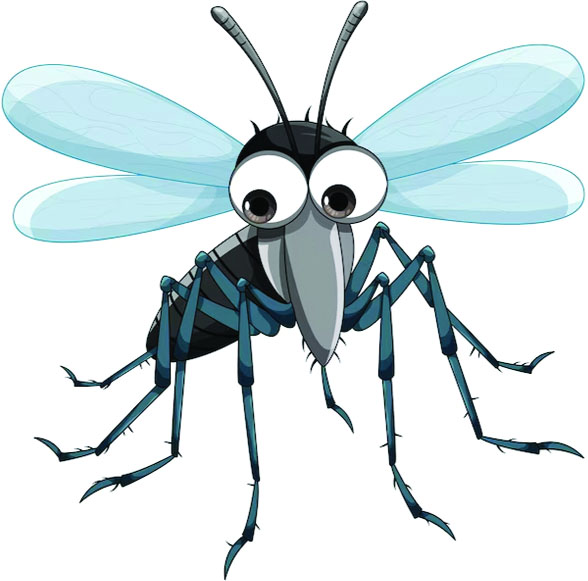
Over 7,000 cases of the mosquito-borne chikungunya virus have emerged in China’s Guangdong province since July, triggering Covid-style containment measures, a Hong Kong-based English daily said.
Foshan City, the worst-affected, has mandated hospitalisation for patients, who must stay under mosquito nets and can only be discharged after testing negative or completing a seven-day stay.
Chikungunya, spread by infected mosquito bites, causes fever and intense joint pain that can persist for years. While outbreaks are uncommon in China, the virus is frequently seen in South and Southeast Asia and parts of Africa.
Chikungunya outbreak spreads beyond Foshan to multiple Chinese cities
In addition to Foshan, at least 12 other cities across Guangdong province have reported chikungunya infections, with nearly 3,000 new cases recorded in the past week alone, according to the South China Morning Post.
It stated that Hong Kong also confirmed its first case on Monday when a 12-year-old boy who developed symptoms after visiting Foshan in July.
Although chikungunya is not contagious and spreads only through mosquito bites, the outbreak has sparked public concern in China, where the virus is relatively unfamiliar. “This is scary. The prolonged consequences sound very painful,” a user posted on Weibo.
Health authorities say all reported cases so far have been mild, with 95% of patients recovering within a week. Still, the US has advised travellers to China to exercise “increased caution” in light of the outbreak.
China ramps up chikungunya fight with fines, fish, and ‘mosquito police’
Authorities across Guangdong have pledged “decisive and forceful” action to curb the fast-spreading chikungunya virus. People with symptoms like fever, rashes, or joint pain are being urged to get tested immediately.
In a bid to eliminate mosquito breeding grounds, residents are being warned to remove stagnant water from homes — including flowerpots, coffee machines, and unused bottles — or face fines of up to 10,000 yuan ($1,400).
Officials have also turned to nature for help, releasing thousands of giant “elephant mosquitoes” that eat smaller, virus-carrying insects and unleashing mosquito-eating fish into urban lakes. In Foshan alone, 5,000 such fish were released last week. Drones are also being deployed to detect standing water in hard-to-reach areas.
Although some neighbouring cities briefly imposed 14-day home quarantines on travellers from Foshan, the restrictions have now been lifted. Still, the sweeping measures have triggered flashbacks to China’s strict COVID-19 lockdowns, with many on social media questioning their necessity.
“These feel so familiar… but are they really necessary?” one Weibo user posted. Another remarked: “What’s the point of quarantine? It’s not like infected people go around biting others.”

