



















NEW DELHI, june 25
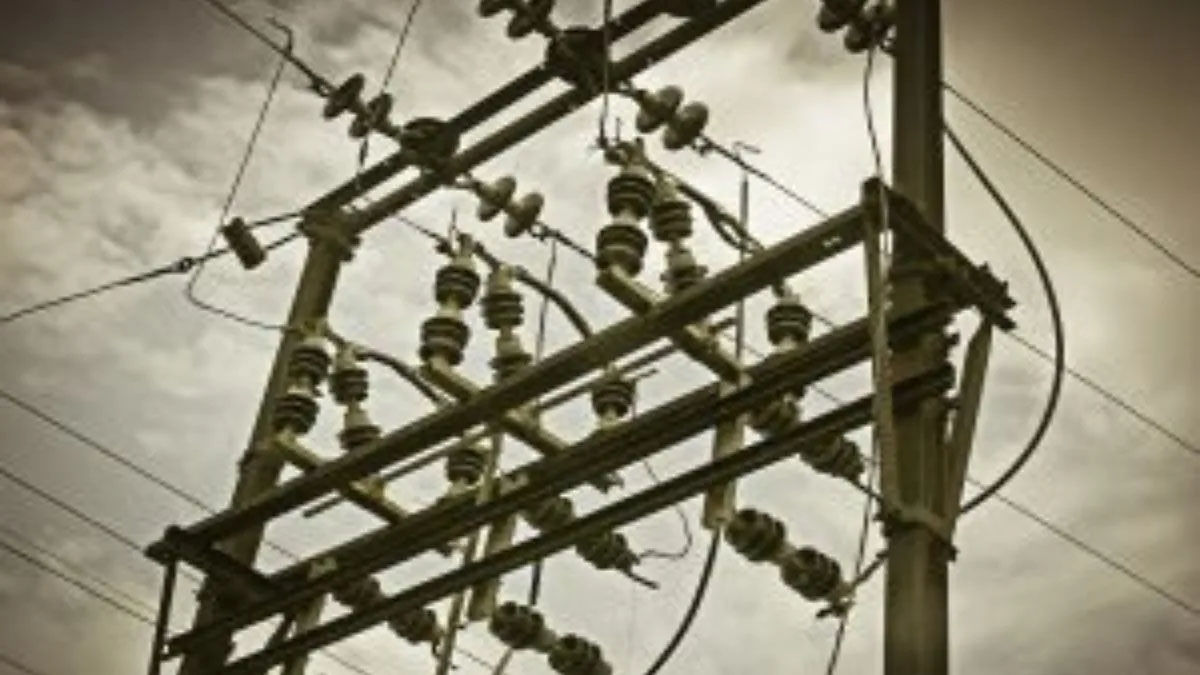
Jharkhand will not cut electricity supply during religious processions. The Jharkhand Bijli Vitran Nigam Limited (JBVNL) has issued a Standard Operating Procedure (SOP) following directions from the Jharkhand High Court. The SOP outlines conditions for safe procession management without interrupting the power supply.
Earlier, electricity was often shut off during festivals such as Ram Navami, Sarhul, and Muharram to prevent accidents involving overhead wires and tall religious structures. The High Court took suo motu cognisance of public inconvenience caused by long power cuts and asked the state for alternative measures. The court observed that power cuts during peak summer affected elderly people, patients, pregnant women, children, and students. It also pointed out the impact on shops, hospitals, and revenue collection.
During the hearing, the Advocate General cited an incident in Palamu in 2000 where 29 people died due to electrocution during a procession. He explained that power cuts were introduced to prevent such incidents.
The court responded that accidents can happen on roads or in transport systems, but such services are not stopped. It said that instead of restricting public utilities, the state should take preventive steps.
In response, JBVNL has issued detailed instructions. The SOP limits the height of flags, tazias, religious structures, and tableau items in processions to 4 metres. No flags or tall objects may be placed on bus rooftops or vehicles exceeding this height. Organisers must deploy volunteers to ensure that no object comes into contact with live wires.
JBVNL will inspect procession routes in advance and carry out maintenance of electric poles, transformers, and hanging wires. A 24×7 control room will function during the festival period. Contact details will be provided to event organisers and district administrations and published in newspapers. Transformers and electrical installations along the route will be marked with warning signs and barricaded. The electricity staff will remain present during the procession. Committees will be informed beforehand and held responsible for any violations.
The SOP replaces the earlier method of blanket shutdowns with a rule-based approach. The process aims to allow religious events to continue without stopping essential services. It places responsibility on organisers and the electricity department to follow the guidelines.
The new rules will be tested during upcoming festivals.
The SOP may serve as a reference for other states. It addresses the issue of managing processions and electricity without using power cuts as a default response. Implementation will depend on coordination between organisers, local bodies, and electricity officials.

