



















new delhi:
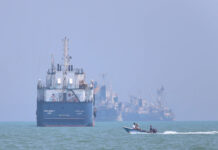
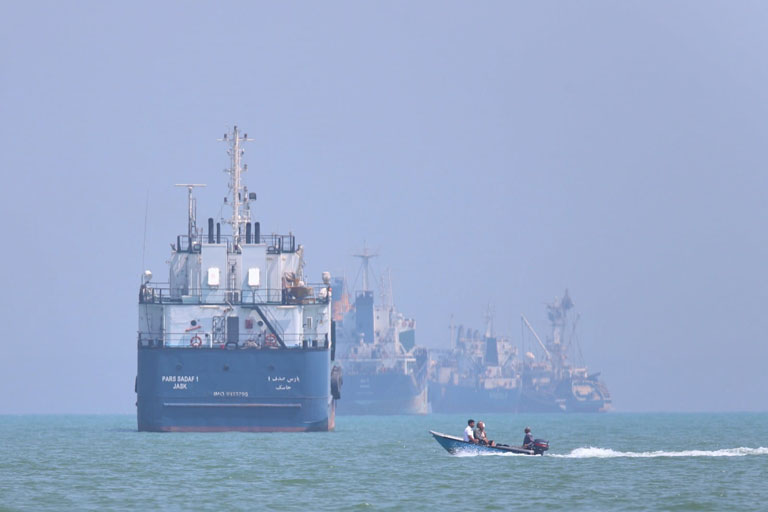
Three commercial oil tankers transiting the strategically important Strait of Hormuz came under separate attacks within a span of 24 hours, raising fresh concerns over the security of one of the world’s busiest energy shipping routes. The incidents, reported by the United Kingdom Maritime Trade Operations (UKMTO), have intensified regional tensions and prompted strong international reactions, with Qatar accusing Iran of violating international maritime law. According to UKMTO, the latest incident occurred at 1305 UTC on July 7, when a tanker was struck by an unidentified unmanned aerial vehicle while passing through the Strait of Hormuz. The vessel sustained minor structural damage but continued its voyage toward its scheduled destination. Authorities confirmed that no crew members were injured and there was no environmental damage resulting from the attack.
The latest strike followed two earlier attacks reported in the same region. One tanker reportedly caught fire after being hit by a projectile while sailing off the coast of Oman, while another vessel suffered structural damage in a separate incident. Despite the damage, no casualties were reported in either case, although maritime authorities continue to assess the full extent of the impact on the vessels involved.
The Strait of Hormuz is regarded as one of the world’s most critical maritime chokepoints, carrying a significant share of global crude oil and liquefied natural gas exports. Any disruption to shipping through the narrow waterway has the potential to affect global energy markets, increase transportation costs and heighten geopolitical uncertainty. The latest attacks have therefore drawn widespread international attention as governments and shipping companies closely monitor developments in the region. Qatar strongly condemned the attacks, describing them as unacceptable and a serious violation of international law. A spokesperson for Qatar’s Ministry of Foreign Affairs stated that Doha holds Iran legally responsible for the incidents involving commercial vessels. The statement reflected growing concern among Gulf nations over the safety of maritime navigation through the strategic waterway. Iran has not officially claimed responsibility for the attacks. However, Iranian state media reported that a liquefied natural gas tanker had come under attack after allegedly ignoring repeated warnings issued by Iranian authorities.
While the reports referred to the incident, they stopped short of directly acknowledging Iranian involvement in the strikes.
The attacks come despite recent diplomatic efforts aimed at easing tensions in the region. Last month, the United States and Iran signed a memorandum of understanding intended to reduce hostilities and facilitate the reopening of the Strait of Hormuz to commercial shipping. The agreement included commitments to halt military actions across multiple fronts and restore normal maritime traffic through the vital shipping corridor.
Although maritime traffic resumed following the agreement, Iran has continued to assert control over navigation in the Strait. Tehran has maintained that commercial vessels should coordinate with Iranian military authorities for safe passage and has instructed ships to use only approved transit routes through the waterway. These requirements have remained a point of contention in ongoing regional security discussions.
Maritime security agencies have advised vessels operating in and around the Strait of Hormuz to remain vigilant and report any suspicious activity immediately. Shipping companies are also reviewing operational procedures as concerns grow over the possibility of further incidents affecting commercial traffic through the region.
The latest attacks underscore the fragile security environment in the Gulf and highlight the continuing risks facing one of the world’s most strategically significant maritime corridors. With global energy supplies heavily dependent on uninterrupted shipping through the Strait of Hormuz, the international community is expected to closely watch further developments while diplomatic efforts continue to prevent a wider escalation of tensions.

